


Owning one’s own home is the quintessential American dream. Yet, achieving this milestone has been...
9 Reasons to Grow a Garden in Retirement
Few hobbies reward patience the way gardening does. Plant a seed, give it some attention, and weeks later, you’re looking at something you helped bring to life. The process is simple, steady, and deeply satisfying.
For many people, that quiet rhythm becomes even more appealing in retirement. Gardening offers a reason to step outside, stay active, and spend time working toward something that grows a little more each day. Along the way, it provides benefits that reach well beyond fresh vegetables or colorful flowers.
Here are nine great reasons gardening can be such a rewarding part of your life.
It's Great Exercise
Gardening might not seem to be in the same category as swimming or jogging, yet it is an excellent daily activity to keep your body moving and healthy. It has been proven to improve strength, endurance, cardiovascular health, balance, and flexibility. The actions that make gardening a wonderful form of physical fitness activity include:
- Digging
- Shoveling
- Lifting
- Weeding
- Planting
- Raking
- Hoeing
It's wise to add some light stretching before or after spending time in the garden to help prevent common injuries like carpal tunnel syndrome and tendonitis.
Improve Socialization
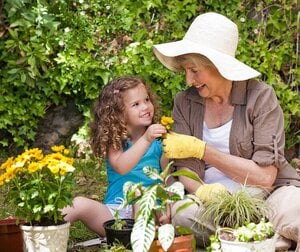 After retirement, many people experience less socialization. This is a risk because prolonged loneliness can lead to depression, memory loss, heart disease, obesity, and more. One way to combine social time with physical fitness is to join a community garden.
Community gardens are collaborative, shared spaces where people come together to grow their own food, build relationships, improve food security, and transform vacant lots into beautiful, productive, and safe environments. Such gardens promote ecological stewardship and act as hubs for agricultural and nutritional education.
Alternatively, if you have your own garden, invite family or friends for some fun time maintaining your green space. You can also socialize online with others who share your interests and exchange ideas across forums or Facebook groups. Working in the garden with someone else provides social interaction that enhances mood and prevents boredom.
Boost Bone Health
Gardening is a terrific way to get outdoors for some sun, which contributes to bone health. Vitamin D from sun exposure helps our bodies absorb calcium, keeping our bones strong. Strong bones are necessary to prevent injuries from falls, slips, and other accidents resulting from poor balance. Strong bones can also help prevent many bone diseases.
People who engage in heavy, weight-bearing gardening tasks, such as digging and raking, have higher bone density than those who do not. Just remember to be careful and monitor your time in the sun.
Invest in outdoor spaces you’ll enjoy every day. Access funds for landscaping, raised beds, or backyard improvements.

Reduce Joint Pain
Joint pain and muscle tension are major issues for aging adults due to inactivity and other unhealthy habits. Gardening can help relieve joint pain if done gently and following some common-sense guidelines. Joints benefit from gardening through movement that keeps them loose and lubricated. It also strengthens muscles that support joints. Gentle gardening activity has been shown to reduce inflammation, improve pain tolerance, and elevate mood. It’s important not to overdo physical activity in the garden to avoid stress and strain that could negate its benefits.
 Improve Your Diet
If you grow vegetables and herbs in your garden, you’ll have fresh produce all season, which provides multiple health benefits and saves on the grocery bill. Gardening also allows an opportunity to learn the basics of growing from scratch and helps you become more conscious about what you eat. You might even inspire your children and grandchildren to become vegetable lovers.
Provide a Therapeutic Environment
Surrounding yourself with a natural environment lowers anger and anxiety, thereby promoting relaxation and a more peaceful state of mind. It also improves the healing process. Spending even a few minutes in a garden lowers stress and speeds healing.
Steven Blair, the co-author of "Active Living Every Day," says that spending 30 minutes gardening five days a week can lower the risk for several heart diseases and even cancer. Also, soil contains a common bacterium, Mycobacterium vaccae, which releases “happy” hormones in our bodies. Another idea is to plant some lovely, scented plants like basil, rosemary, and lavender, which have therapeutic properties. These plants will refresh your mind and soul with their beautiful fragrances.
Improve Hand Strength
As we age, hand strength naturally weakens. However, you can improve hand strength at any age by keeping active. An important benefit of gardening is that it strengthens and improves hand agility. Many rehabilitation centers use gardening to help stroke patients rebuild hand strength and dexterity.
Improve Immune System
Our immune systems naturally start to lose efficiency over time. Gardening is a positive activity that helps promote a healthy immune system. As we've already discussed, gardening increases exposure to Vitamin D, encourages daily exercise, and provides healthy and immune-boosting foods and vitamins. Growing a garden is also known to reduce stress, improve air quality, and promote mental health, all of which contribute to improved wellness and immunity to disease.
Protect Cognitive Function
Gardening improves cognitive function, according to research published in 2019. Other research from Scotland found that gardening was correlated with better “memory, problem solving, and word fluency.”
Few hobbies combine movement, creativity, and calm the way gardening does. A patch of soil can become a place to exercise, relax, experiment, and reconnect with nature at the same time. Some people start with a few herbs on a patio. Others turn a backyard into a full vegetable garden. However, it begins, gardening often grows into more than a hobby. It becomes part of a daily rhythm that keeps both body and mind engaged.
Turn seasonal projects into rewards. Use cash back toward the tools and supplies that keep you growing.