

We've all been there–nursing a wound from an old argument, replaying conversations in our head,...
7 Tips to Find Purpose in Retirement
Retirement arrives with a lot of promise. No alarm clocks. No packed calendars. No one else setting the pace. After decades of structure, responsibility, and deadlines, the idea of open days and personal freedom feels well earned.
Then the routine disappears. The days feel quieter. The sense of being relied on by coworkers or clients fades. For some retirees, the freedom they imagined brings an unexpected question: What gives my days meaning now? Purpose doesn’t automatically appear once work ends, and it doesn't look the same for everyone.
Finding purpose in retirement often begins with curiosity. It grows through connection, contribution, learning, and choosing how time is spent. The ideas below offer different ways to reconnect with direction and fulfillment during this new stage of life.
Volunteer
 Volunteering is among the best ways you can find purpose in retirement. Devoting your time and talent to a cause you believe in will surely add meaning to life. There are so many ways to volunteer. For example, you can help combat homelessness and hunger by working at a food shelf or free meals program. If you like animals, consider volunteering at an animal rescue organization by fostering an abandoned pet in your home.
Write a Memoir
Creating a memoir of your life is another excellent way to find meaning. At first, we might wonder if anyone would be interested in our history. Yet, think about how fascinating it is when older generations share their memories. Unfortunately, these precious stories are often never written down and are lost over time. Capturing your history in writing will create a priceless family treasure to be enjoyed for years to come. Not only will loved ones enjoy learning your life story, but the process of creating the memoir will help you remember pivotal events, so you’ll better understand how you evolved as a person.
Commit More Time to Relationships
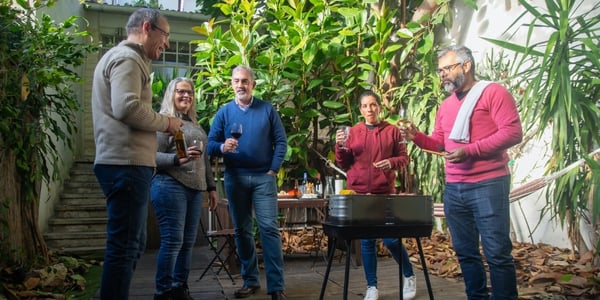
.jpg?width=300&height=200&name=johnny-cohen-OxOxqLAWvE0-unsplash%20(1).jpg) During our careers, we may have found it challenging to make enough time for our families and friends. The demands of work often caused us to prioritize the paycheck and put important relationships on hold. Luckily, retirement provides the opportunity to make up for lost time. We can use our flexible schedules to arrange more time together with loved ones, especially those who live close by. For those farther away, we can communicate more frequently, whether by letter, email, phone, or social media. Also, if we plan to travel more, we can incorporate visits with loved ones and rekindle long-neglected connections.
During our careers, we may have found it challenging to make enough time for our families and friends. The demands of work often caused us to prioritize the paycheck and put important relationships on hold. Luckily, retirement provides the opportunity to make up for lost time. We can use our flexible schedules to arrange more time together with loved ones, especially those who live close by. For those farther away, we can communicate more frequently, whether by letter, email, phone, or social media. Also, if we plan to travel more, we can incorporate visits with loved ones and rekindle long-neglected connections.
Keep life flexible as routines evolve. Retirement schedules shift, and checking should keep up without adding complexity.

Continuing Education
Education is not just for the young; it's a lifelong adventure. Retirement offers the opportunity to broaden your horizons and study subjects that interest you. Many community education programs and universities offer programs tailored for seniors, often at discounted tuition. For example, try a cooking class to improve your kitchen skills. Or try others like sewing, painting, or computer classes. It's all about finding purpose by enhancing your knowledge, regardless of the discipline you choose.
Do Work You Love
 Retiring doesn't necessarily mean the end of earning a paycheck. You may want to continue contributing to your field as a part-time employee. Alternatively, you can start a business by devoting your deep skills and knowledge to an area you love. You might do this as a consultant, buy an existing business, or start a new venture from scratch. Another alternative would be to do “gig work,” such as freelance writing, digital design, or even Uber driving. The beauty of gig work is that you can work as much or as little as you like.
Focus on Your Health
After retirement, declining health is all too common. Luckily, many of us can improve our health during this time through exercise and healthy eating. With plenty of free time to spare, you can concentrate on fine-tuning your health and fitness goals.
As for exercise, there are many options, so you're likely to find a good fit. First, however, consult your doctor to determine which types of exercise you can do. Armed with this information, one way to start is to join a local full-service fitness club where you can learn various types of exercise. This way, you can find fun activities to stay committed to as you get in better shape.
When you visit your doctor, it's smart to ask for a referral to a nutritionist to assess your eating habits and provide guidance on healthy eating. This could lead to a new focus on cooking and dining that is not only good for your body but also helps build new relationships with others who share your interest in healthy living.
Consult a Life Coach
Finding a financial advisor is a typical move for all seniors in retirement. This person serves as a “money coach,” helping us make smart financial decisions. However, there are also experts called life coaches, professionals who help people at all phases of life, including retirement.
A retiree can use a life coach to help navigate the transition from career-directed to a broader life orientation. They can provide guidance in replacing the workplace structure with a more intentional lifestyle focus, where individuals design their lives to align with their values and purpose.
Retirement creates space to shape your days with intention. Purpose may come from helping others, deepening relationships, learning something new, or continuing to use your skills in a different way. Over time, that sense of meaning may shift, and that’s a natural part of this stage of life. Retirement marks the close of a long chapter, but it also opens the door to growth, connection, and fulfillment that can carry through the years ahead.
Commit to future plans that matter. Certificates allow you to reserve funds for long-term goals like extended travel, education, or launching a passion project.